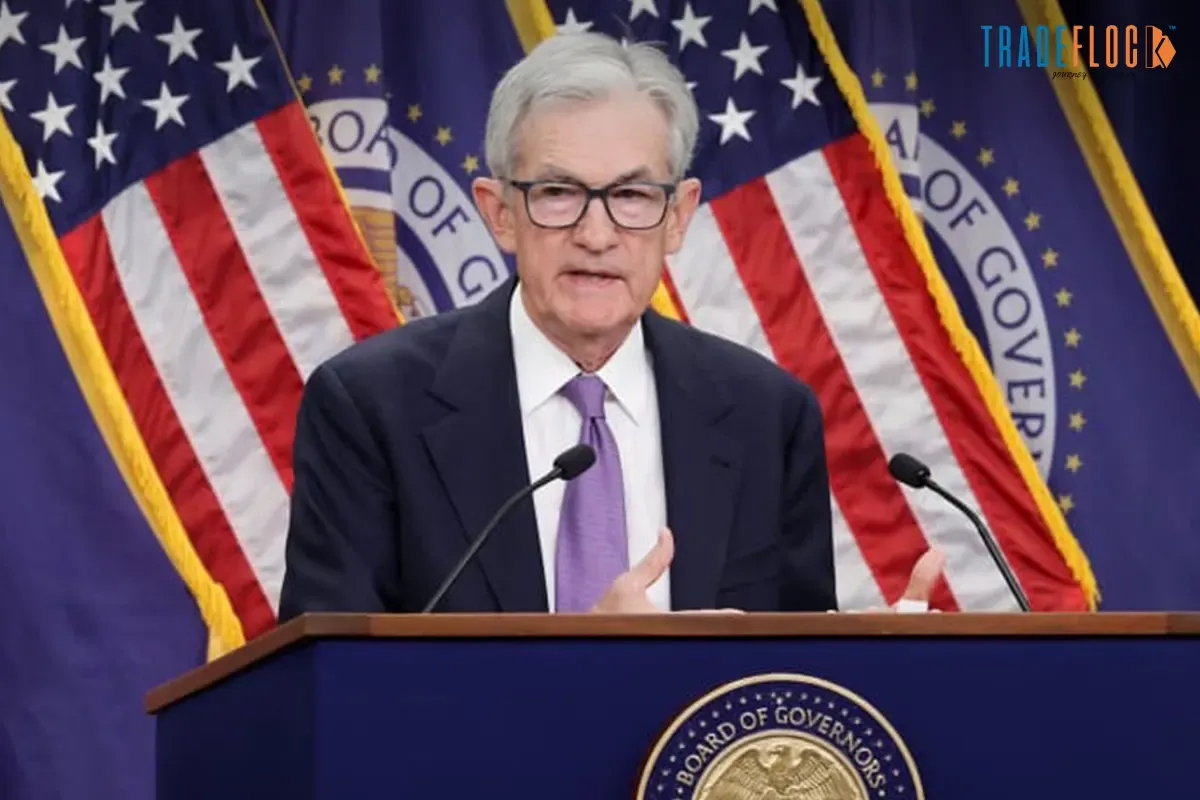
In December 2025, the U.S. Federal Reserve implemented its third consecutive interest rate cut of the year, lowering rates by a quarter percentage point to a range of 3.50%-3.75%, the lowest in roughly three years. The central bank signaled caution about further reductions, with Fed Chair Jerome Powell indicating a wait-and-see approach as the economy evolves. The Fed’s statement echoed language from late 2024, highlighting a possible pause in rate cuts. Powell emphasized that officials remain ready to adjust based on incoming data, outlook changes, and risk assessments.
The decision reflected internal disagreements among Fed officials. Three members voted against the rate cut: Chicago Fed President Austan Goolsbee and Kansas City Fed President Jeffrey Schmid favored holding rates steady, while Fed Governor Stephen Miran advocated for a larger, half-percentage-point decrease. The Fed’s rate-setting committee includes 12 voting members, such as seven from the Board of Governors, the New York Fed President, and rotating reserve bank presidents.
Despite the split, Powell acknowledged the policy debate, citing inflation concerns paired with signs of a softening labor market. Experts like Mike Fratantoni of the Mortgage Bankers Association noted the conflicting signals of persistent inflation versus easing employment, within the Fed, making policy decisions challenging.
Looking ahead, the Fed projects one more rate cut in 2026 and maintains its unemployment rate forecast, even as inflation expectations decline. However, delays in economic data from a prolonged government shutdown could affect these forecasts.
Also Read: SpaceX to Launch an IPO in 2026, Raising $25 Billion
The meeting also signaled a turbulent year ahead. Political factors are intensifying, with former President Trump criticizing the Fed and hinting at a more aggressive rate-cutting stance under his potential successor. The resignation of Fed Vice Chair Lael Brainard and the departure of other leaders will further shape monetary policy. Experts warn that divisions within the Fed could grow, complicating decisions as the central bank navigates inflation, growth, and political pressures in 2026.